Find automatic bullet ice maker machine with basket scoop for bars, restaurants, and catering
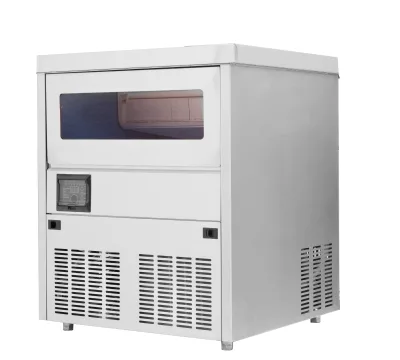
Source 30 automatic bullet ice maker machine with basket scoop options featuring tube ice production and stainless steel construction. Buyers can compare condensing modes, power ratings, and storage capacities across models ranging from household to industrial applications.
Key considerations
Products List




Comprehensive Sourcing Guide
Strategic Sourcing Guide for Automatic Bullet Ice Maker Machines with Basket Scoops
The global demand for automated ice production solutions has surged, driven by the need for consistent supply in hospitality, commercial food service, and industrial processing sectors. When sourcing an automatic bullet ice maker machine with a basket scoop, buyers must navigate a complex landscape of technical specifications, regulatory compliance, and operational efficiency. This guide provides a disciplined, evidence-based framework for procurement professionals to evaluate suppliers and select equipment that aligns with specific operational requirements. The focus remains on the "bullet" or "tube" ice shape, which is distinct from cube or flake ice, offering unique advantages for cooling beverages and preserving seafood freshness.
Technical Specifications and Operational Mechanics
Understanding the core technical architecture of an ice maker is the first step in the sourcing process. The supplied data indicates a diverse range of configurations available in the market, ranging from small, household-oriented units to larger commercial and industrial systems. A critical observation is the variation in condensing modes; some units utilize water-cooled systems, while others employ air-cooled mechanisms. The choice between these modes significantly impacts installation requirements, particularly regarding water supply access and ventilation needs. Air-cooled models are generally more versatile for locations without direct water lines, whereas water-cooled units often offer higher efficiency in controlled environments.
The power consumption profiles observed vary widely, with specific models rated below 200W, others falling between 200W and 400W, and some reaching 320W or 300W. This variance suggests that buyers must carefully match the unit's power rating to their available electrical infrastructure. Voltage compatibility is another essential technical factor, with observed specifications supporting both 220V and 110V inputs, alongside frequency options of 50Hz or 60Hz. This flexibility is crucial for international procurement, ensuring the machine can operate seamlessly in different regions without the need for expensive transformers.
The physical structure of the machines also differs, with options available in "separated type" and "integral type" configurations. Integral units combine the ice maker and storage bin into a single footprint, which is often preferred for space-constrained commercial kitchens. In contrast, separated types allow for greater flexibility in installation layout. The ice production capacity is a primary driver of selection, with observed daily outputs ranging from 25kg to 35kg per 24 hours. Storage capacity, or ice bin size, typically correlates with production rates, with observed bins holding between 11kg and 20kg. The ice making method is identified as either "spraying" or "flowing," which influences the crystal structure and clarity of the resulting bullet ice.
Compliance and Certification Verification
In the B2B procurement of food-contact equipment, regulatory compliance is non-negotiable. The market data reveals a robust presence of international certifications, including RoHS, ISO, CE, CCC, ETL, and UL. These certifications are not merely marketing claims but indicators of adherence to safety, environmental, and quality standards. RoHS compliance ensures the equipment is free from specific hazardous substances, while ISO certification points to a standardized quality management system. CE and ETL marks are particularly critical for operations in Europe and North America, respectively, verifying electrical safety and performance.
Buyers must verify that the specific model they intend to purchase carries the relevant certifications for their target market. For instance, a unit destined for the United States should ideally possess ETL or UL certification, whereas European buyers should prioritize CE marking. The presence of CCC certification indicates compliance with Chinese compulsory product certification, which is often a baseline requirement for domestic manufacturing but may not suffice for export without additional local approvals. Furthermore, the use of specific refrigerants, such as R404A, must be checked against local environmental regulations, as some jurisdictions are phasing out certain hydrofluorocarbon refrigerants.
Cost Drivers and Pricing Dynamics
The pricing landscape for automatic bullet ice makers is highly variable, with observed ranges spanning from $35 to $30,000 USD. This vast disparity is driven by several key factors, including production capacity, material quality, and the complexity of the control systems. Lower-priced units typically target the household or small commercial market, featuring smaller ice bins and lower production rates. Conversely, high-end models capable of industrial-scale output often command premium prices due to their robust construction and advanced automation features.
Material selection is a significant cost driver. The data highlights the use of Stainless Steel and Stainless Steel 304 for critical components. Stainless Steel 304 is generally more expensive than standard stainless steel but offers superior corrosion resistance and durability, making it essential for high-humidity environments or applications involving saltwater. The inclusion of automatic cleaning devices and filtering systems also adds to the unit cost but provides long-term value by reducing maintenance frequency and ensuring ice purity. Additionally, the complexity of the control system, ranging from basic electric controls to full automation, influences the final price. Buyers should weigh the initial investment against the total cost of ownership, considering energy efficiency and maintenance requirements.
Typical Applications and Usage Scenarios
The versatility of automatic bullet ice maker machines allows them to serve a wide array of applications. The observed data categorizes usage into household, commercial, and industrial sectors. In the household context, these machines provide a convenient source of ice for personal consumption, often utilizing smaller footprints and lower power ratings. Commercial applications, such as restaurants, bars, and hotels, require units with higher production capacities to meet the demands of beverage service and food display. The "bullet" or "tube" ice shape is particularly valued in these settings for its slow melting rate and aesthetic appeal.
Industrial applications extend to food processing facilities where ice is used for cooling, preserving, or transporting perishable goods. The ability to produce ice continuously with automated cleaning and filtering makes these machines suitable for high-volume operations. The "basket scoop" feature mentioned in the core keyword suggests a design that facilitates easy manual retrieval of ice, which is beneficial for applications requiring immediate access to large quantities of ice. Whether for cooling seafood, mixing cocktails, or industrial cooling processes, the specific configuration of the ice maker must align with the throughput requirements of the application.
Supplier Evaluation and Selection Criteria
Selecting the right supplier requires a rigorous evaluation process based on verifiable data and performance history. Buyers should prioritize suppliers who can provide clear documentation regarding the machine's origin, with China and Shanghai identified as key production hubs. The "New" condition of the products is a standard expectation, but buyers must ensure that the equipment is not refurbished or reconditioned unless explicitly stated. The availability of customization is a significant advantage, allowing buyers to tailor the machine to specific operational needs, such as adjusting voltage or modifying the ice production rate.
When evaluating suppliers, the consistency of product attributes is paramount. The data shows variations in model numbers, such as "mu24063," "SK-25C," and "Sk-35c," indicating a diverse product portfolio. Buyers should verify that the supplier can consistently deliver the specific model with the required specifications, including the correct certifications and material grades. The presence of a "With Filtering Device" and "With Automatic Cleaning Device" suggests a focus on hygiene and operational ease, which are critical for maintaining food safety standards. Additionally, the supplier's ability to handle complex packaging requirements, such as poly bags, carton boxes, and wooden pallets for FCL shipments, is essential for logistics planning.
Quality Control and Long-Term Procurement Considerations
Quality control extends beyond the initial purchase and encompasses the entire lifecycle of the equipment. The structural integrity of the machine, whether "separated" or "integral," must be robust enough to withstand continuous operation. The use of high-grade materials like Stainless Steel 304 ensures longevity and resistance to corrosion, which is vital for maintaining the hygiene of the ice production process. Buyers should also consider the maintenance requirements, including the frequency of cleaning and the availability of replacement parts.
Long-term procurement considerations involve assessing the supplier's support infrastructure. This includes the availability of technical support, warranty terms, and the ease of sourcing spare parts. The "Automation" feature of the machines reduces the need for manual intervention, but it also introduces complexity that requires skilled maintenance. Buyers should verify that the supplier offers comprehensive training and support to ensure the equipment operates at peak efficiency. Furthermore, the environmental impact of the refrigerant and the energy efficiency of the unit should be evaluated to align with sustainability goals.
Comparative Analysis of Key Specifications
To facilitate informed decision-making, the following table summarizes the key technical and operational differences observed in the market data. This comparison highlights the variability in specifications that buyers must consider when selecting a unit.
| Feature | Low-Capacity / Household | Mid-Range / Commercial | High-Capacity / Industrial |
|---|---|---|---|
| Ice Production | ~25kg/24h | ~35kg/24h | Variable (Higher) |
| Bin Storage | ~11kg | ~15-20kg | Variable (Higher) |
| Power Rating | <200W | 200W-400W | ~320W-300W |
| Condensing Mode | Air-Cooled | Air/Water-Cooled | Water-Cooled |
| Structure | Integral | Integral/Separated | Separated |
| Material | Stainless Steel | Stainless Steel 304 | Stainless Steel 304 |
| Certifications | RoHS, CE | RoHS, ISO, CE, CCC | RoHS, ISO, UL, ETL |
| Ice Shape | Tube/Bullet | Tube/Bullet | Tube/Bullet |
This comparative analysis underscores the importance of matching the specific operational needs with the correct technical specifications. Buyers should not assume that a higher price point guarantees better performance for their specific use case; rather, they must evaluate the fit between the machine's capabilities and their application requirements. By adhering to the evidence-based guidelines presented in this sourcing guide, procurement professionals can mitigate risks and secure reliable, high-quality automatic bullet ice maker machines that meet their organizational standards.
FAQs
What ice shape does this machine produce?
The machine produces tube-shaped ice, often referred to as bullet ice. This shape is distinct from cube or flake ice and is ideal for cooling beverages and preserving seafood freshness in commercial settings.
Can the machine operate on different voltages?
Yes, the ice maker supports both 220V and 110V inputs with 50Hz or 60Hz frequency options. This flexibility allows for seamless operation in various international regions without requiring expensive transformers.
Which certifications are available for this equipment?
Available certifications include RoHS, ISO, CE, CCC, ETL, and UL. These marks verify adherence to safety, environmental, and quality standards required for different global markets and regulatory compliance.
How is the machine structured for installation?
The units are available in both integral and separated type structures. Integral models combine the maker and bin for space efficiency, while separated types offer greater flexibility in installation layout.
What is the typical daily ice production capacity?
Daily production capacity ranges from 25kg to 35kg per 24 hours depending on the specific model. Storage bins typically hold between 11kg and 20kg to match the production output rates.
Is customization available for this ice maker?
Customization is available to tailor the machine to specific operational needs. Buyers can request adjustments to voltage, dimensions, or other features to align with their unique facility requirements.